
When it comes to portable gaming, Sony’s PlayStation handheld consoles have carved out a legendary niche. From the sleek design of the PSP to the innovative features of the PS Vita, these devices have transformed how gamers experience their favorite titles on the go. Who wouldn’t want to battle dragons or race cars during their daily commute?
But handheld gaming isn’t just about convenience; it’s about nostalgia, creativity, and a dash of rebellion against the mundane. Whether you’re a seasoned gamer or just curious about the evolution of portable play, this journey through all PlayStation handheld consoles will tickle your gaming fancy. Buckle up and get ready for a trip down memory lane that’s packed with fun facts and a sprinkle of humor. After all, who said gaming history couldn’t be entertaining?
Overview Of PlayStation Handheld Consoles
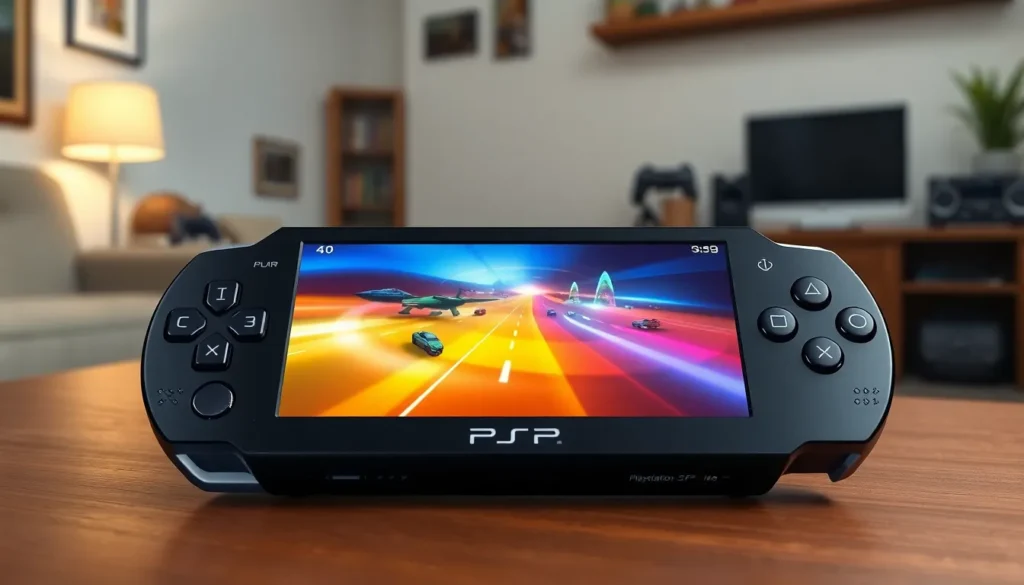
Sony introduced the PlayStation Portable (PSP) in 2004, marking its entry into the handheld gaming market. The PSP featured a 4.3-inch screen, impressive graphics capabilities, and multimedia functionality, appealing to gamers and non-gamers alike. Over its life cycle, the console sold over 80 million units, showcasing its popularity.
Following the PSP, the PlayStation Vita launched in 2011, enhancing the handheld experience with dual analog sticks, a larger OLED display, and touch functionality on both front and back panels. With over 15 million units sold, the Vita combined portable gaming with unique social features, such as cross-play with PS3 and PS4 titles.
Major titles for both consoles included iconic franchises like “God of War,” “Final Fantasy,” and “Metal Gear Solid.” These games contributed to the consoles’ standout libraries, maintaining a loyal user base. Innovations like Remote Play and PlayStation Now brought console gaming to handheld devices, allowing players to access full PS4 games on the Vita.
Legacy plays a significant role in the handheld gaming landscape. Nostalgia fuels continued interest in these devices and influences current gaming trends. Developers and publishers often reference PSP and PS Vita’s unique features while designing new portable gaming experiences.
Sony’s handheld consoles left a lasting impact on gaming culture, pushing the boundaries of gaming technology. Their contributions pave the way for future innovations, captivating both long-time fans and new players. The PlayStation brand’s commitment to evolving portable gaming continues to shape the market today, reinforcing its place in gaming history.
PlayStation Portable (PSP)


Sony launched the PlayStation Portable (PSP) in 2004, marking a significant step in portable gaming. The system featured a 4.3-inch screen and multimedia capabilities, attracting a diverse audience.
Design and Features
The PSP’s design emphasized portability and style, featuring a slim profile and a robust build. It included a comfortable analog stick, a D-pad, and buttons that catered to various gaming styles. Multimedia capabilities further enhanced its appeal, allowing users to play music, watch movies, and view photos. Connectivity options included Wi-Fi, enabling online multiplayer experiences and content downloads. The battery life offered up to six hours of gameplay, providing ample time for on-the-go gaming. Ultimately, these features established the PSP as a versatile device beyond just gaming.
Game Library
An impressive game library defined the PSP’s legacy, boasting over 1,300 titles throughout its lifespan. Iconic franchises like “God of War” and “Final Fantasy” showcased the system’s graphical capabilities and storytelling potential. Popular genres included action-adventure, role-playing, and sports, appealing to varied gaming preferences. Notable titles like “Monster Hunter Portable” and “Grand Theft Auto: Liberty City Stories” pushed boundaries, enhancing the handheld experience. Developers embraced the platform, producing unique experiences that captured players’ imaginations. The diverse library significantly contributed to the PSP’s worldwide sales of over 80 million units.
PlayStation Vita
Launched in 2011, the PlayStation Vita set a new standard for handheld gaming, introducing a blend of innovative features and powerful technology. Dual analog sticks provided better control for gamers, enhancing gameplay experiences. A 5-inch OLED touchscreen and rear touch pad allowed for intuitive interaction with games. The inclusion of front and rear cameras enriched augmented reality experiences, giving a new dimension to gameplay. With a quad-core ARM Cortex-A9 CPU and SGX543MP4+ GPU, it offered performance comparable to home consoles. Additionally, connectivity options like Wi-Fi and 3G facilitated seamless online play and downloads, keeping players engaged anytime, anywhere.
Enhanced Technology
Advanced technology defined the PS Vita, providing gamers with a rich handheld experience. The device boasted a resolution of 960 x 544 pixels, ensuring vibrant graphics and clear visuals. Its gyroscopic sensor contributed to immersive gameplay, allowing for motion controls in various titles. A powerful battery provided up to six hours of playtime, balancing performance and longevity, and accommodating extended gaming sessions. Remote Play features allowed users to access PS4 games directly on the Vita, merging the home console experience with portability. Numerous accessories, such as grips and travel cases, further enhanced user convenience, making it an all-around appealing device.
Exclusive Titles
The PS Vita showcased a diverse library of exclusive titles, capturing players’ attention with unique gaming experiences. Popular franchises like “Uncharted” and “Killzone” made their portable debuts, offering adventures designed specifically for the handheld platform. “Tearaway,” a charming adventure game, utilized the Vita’s touch features to create an interactive storytelling experience. The RPG genre flourished on the system as titles like “Persona 4 Golden” gained critical acclaim, bolstering its reputation among gamers. Indie games also thrived, with the platform supporting unique and innovative projects, contributing to a vibrant game catalog. Players enjoyed an extensive selection tailored for their portable gaming needs, solidifying the PS Vita’s legacy in handheld gaming history.
Comparison Of PSP and PS Vita
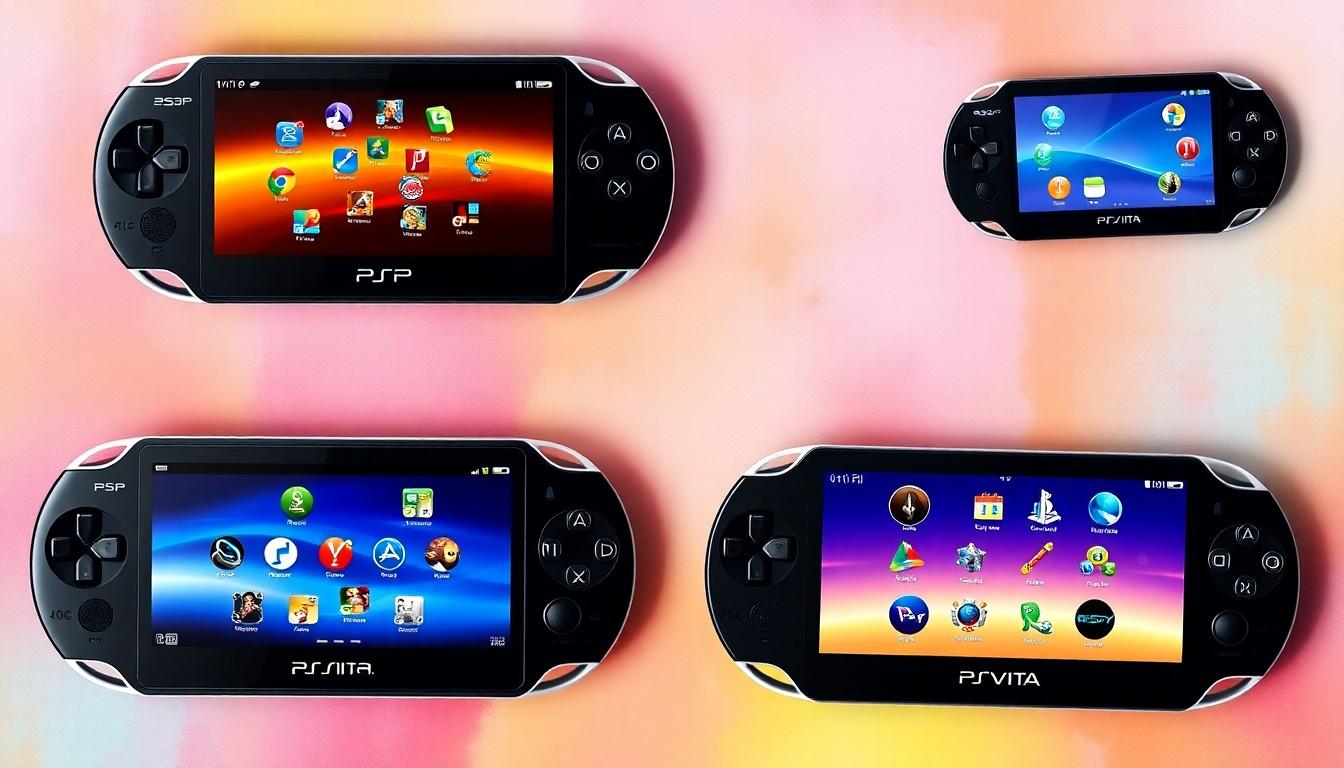
The PSP and PS Vita represent two generations of handheld gaming from Sony, each with distinct strengths in graphics, performance, and battery life.
Graphics and Performance
Graphics capabilities significantly improved from the PSP to the PS Vita. The PSP featured a 4.3-inch screen with a resolution of 480 x 272 pixels. This resolution supported a variety of games, including popular titles like “Final Fantasy” and “God of War.” In contrast, the PS Vita upgraded to a 5-inch OLED screen, showcasing vibrant visuals with a resolution of 960 x 544 pixels. The quad-core CPU in the Vita delivered performance comparable to home consoles, enhancing gameplay experiences in titles such as “Killzone” and “Uncharted.” This leap in performance allowed developers to create more visually immersive and technically advanced games for the PS Vita.
Battery Life
Battery life also differed notably between the two devices. The PSP provided approximately 4 to 6 hours of gameplay, depending on the usage of features like Wi-Fi and multimedia playback. While this allowed for extended play sessions on the go, players often needed to recharge regularly. The PS Vita improved battery longevity, offering around 4 to 7 hours of gameplay, even with its richer graphics and features. Users appreciated this enhancement, as it permitted longer play without frequent interruptions. Thus, both devices catered to portable gaming needs, but the PS Vita struck a better balance between performance and battery efficiency.
Legacy Of PlayStation Handheld Consoles
Sony’s PlayStation handheld consoles have significantly influenced portable gaming trends over the years. The introduction of the PlayStation Portable (PSP) in 2004 marked a pivotal moment, showcasing a 4.3-inch screen and multimedia features. Selling over 80 million units, the PSP catered to diverse gaming interests. Its design focused on portability and style with a slim profile and comfortable controls. Connectivity options like Wi-Fi enabled engaging online multiplayer experiences.
Over 1,300 titles enriched the PSP’s game library, featuring iconic franchises such as “God of War” and “Final Fantasy.” Notable games like “Monster Hunter Portable” and “Grand Theft Auto: Liberty City Stories” highlighted its capabilities. The legacy continued with the PlayStation Vita, launched in 2011, which set a new standard for handheld gaming. This device introduced dual analog sticks and a 5-inch OLED touchscreen. A quad-core CPU ensured powerful performance alongside advanced graphics capabilities, rivaling home consoles.
Seamless online play became possible through its Wi-Fi and 3G connectivity features. Exclusive titles such as “Uncharted,” “Killzone,” and “Persona 4 Golden” further expanded the Vita’s game library. Immersive features like augmented reality capabilities and motion controls enriched gameplay experiences. The support for indie games fostered a vibrant gaming ecosystem.
A comparison between the PSP and PS Vita reveals distinct advantages. The PSP featured a resolution of 480 x 272 pixels, while the Vita offered a sharper 960 x 544 pixels. Enhanced gameplay experiences emerged due to the Vita’s quad-core CPU, allowing for technically advanced titles. Battery life also improved; the PSP provided approximately 4 to 6 hours of gameplay while the Vita extended this to around 4 to 7 hours.
Gamer nostalgia, creativity, and the spirit of handheld gaming resonate throughout the legacy of Sony’s portable consoles, illustrating their impact on gaming culture and future innovations.
Conclusion
Sony’s PlayStation handheld consoles have undeniably shaped the landscape of portable gaming. From the PSP’s groundbreaking introduction to the innovative features of the PS Vita, each device has left a significant mark on gamers worldwide. Their unique designs and diverse game libraries fostered a sense of community among players and sparked creativity in game development.
As the gaming industry continues to evolve, the influence of these handheld devices remains evident. They paved the way for future innovations and set high standards for what portable gaming can achieve. With a legacy rich in nostalgia and a commitment to pushing boundaries, Sony’s handheld consoles will always hold a special place in the hearts of gamers.