
When it comes to portable gaming, the PlayStation Portable (PSP) isn’t just a nostalgic piece of tech; it’s a sound experience waiting to be explored. Picture this: you’re on a crowded bus, dodging the chaos of everyday life, and all you want is to lose yourself in the epic soundtrack of your favorite game. But wait—how’s the audio quality? Is it a symphony or a cacophony?
Table of Contents
ToggleOverview of PSP Audio Quality
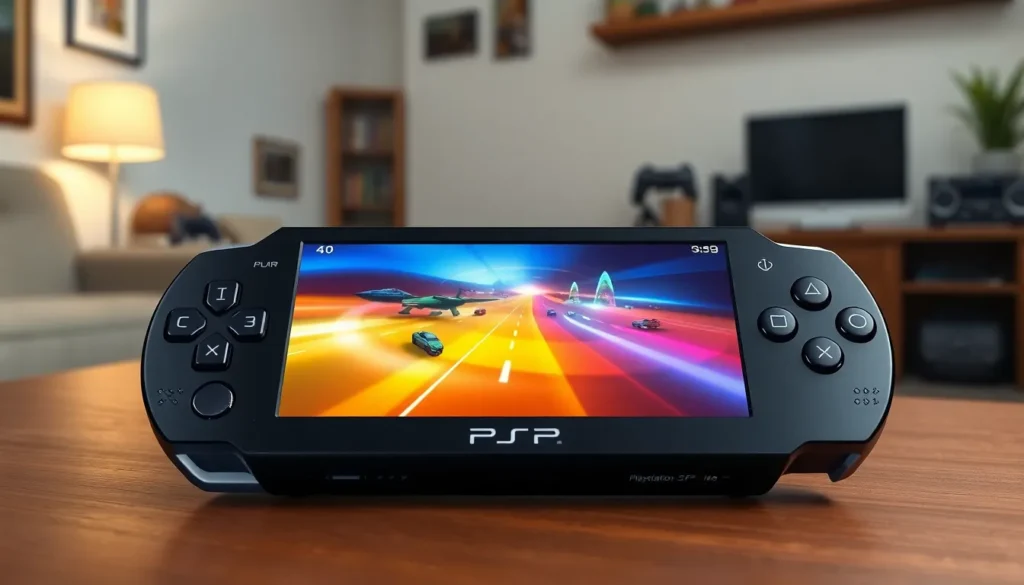
PSP audio quality plays a crucial role in delivering an engaging gaming experience. The device features stereo sound capabilities, enhancing the immersion during gameplay and multimedia playback. Advanced audio technology ensures that game soundtracks and effects resonate clearly, capturing attention even in noisy environments.
Audio formats supported by the PSP include MP3, WAV, and ATRAC3. These options provide flexibility for users, accommodating personal music libraries and game audio requirements. In addition, the built-in speakers produce sound that balances clarity with volume, ensuring that gaming sessions remain enjoyable.
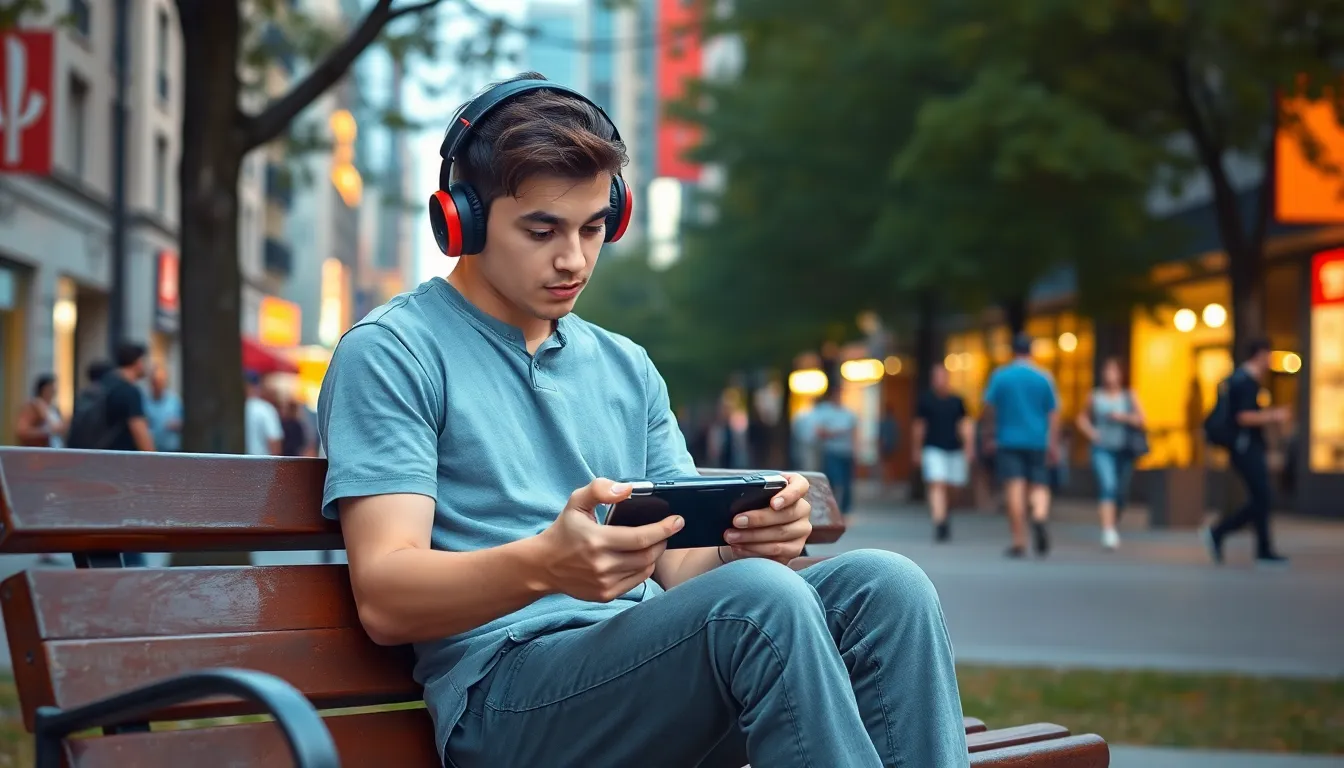
Equipped with a headphone jack, the PSP allows for private listening experiences. Connecting high-quality headphones significantly improves audio fidelity, making intricate sound details more prominent. Many gamers notice that music and sound effects become more immersive with quality audio gear.
The PSP’s audio performance benefits from its processing capabilities. Digital Signal Processing (DSP) optimizes sound quality in real-time, improving effects like echo and reverb. Users experience a range of audio nuances that enrich the overall gaming atmosphere.
Built-in audio settings also allow customization for personalized sound preferences. Gamers can adjust volume levels or apply equalizer settings to enhance specific audio frequencies. Such features enable a tailored experience that adapts to various game genres, making each session unique.
Overall, PSP audio quality stands out for its versatility and performance. By combining robust hardware with thoughtful design, the device offers an audio experience that complements its gaming capabilities.
Factors Affecting PSP Audio Quality
Multiple elements influence the audio quality of the PlayStation Portable (PSP). Understanding these factors can significantly enhance overall user experience.
Hardware Components
Speakers primarily dictate audio clarity and volume. Built-in speakers on the PSP are designed to balance these aspects efficiently. The headphone jack offers an upgrade in audio fidelity. Using quality headphones boosts sound quality, providing a more immersive experience. Additionally, the internal components like the Digital Signal Processor (DSP) optimize audio in real-time, enhancing sound output based on the gameplay context. Connections within the device also play a role, as quality connections prevent sound distortion.
Software Capabilities
Audio format support extends across various types, including MP3, WAV, and ATRAC3. Flexibility in audio formats allows users to enjoy diverse multimedia. Buoys of sound customization are available through built-in audio settings. Adjustment options enable users to tailor audio profiles to their preferences. DSP algorithms further refine sound quality, adapting to different scenarios. Enhancing gameplay atmospheres, the software complements hardware capabilities effectively.
Comparison with Other Gaming Devices
The PSP’s audio quality stands out when compared to other portable gaming devices.
PSP vs. Nintendo DS
Nintendo DS features adequate audio capabilities but lacks the depth found in PSP. The PSP offers superior stereo sound that enhances immersive gameplay experiences. DSP technology in the PSP refines audio in real-time, creating a more engaging atmosphere. In contrast, the Nintendo DS provides basic sound customization and limited audio formats. Users enjoy richer sound textures with the PSP’s support for formats like MP3 and WAV. Built-in speakers on the PSP maintain clarity, whereas the DS’s sound tends to be less dynamic. Therefore, the PSP’s audio experience remains more robust and enjoyable for dedicated gamers.
PSP vs. PlayStation Vita
PlayStation Vita improves on PSP’s audio quality but not without trade-offs. While the Vita delivers crisp sound and additional features, PSP audio retains a nostalgic charm. The DSP technology in both devices contributes to their immersive soundscapes. However, the Vita incorporates advanced audio processing, offering a wider range of customization options. Users may prefer the PSP’s simpler audio settings for quick adjustments. Both devices support multiple audio formats, but PSP’s experience remains distinguished by its classic gaming legacy. Clear advantages in sound depth and headphone performance affirm PSP’s role in portable gaming audio.
User Experiences and Feedback
Users often share their thoughts on the PSP’s audio quality, praising its features and noting areas for improvement. Many find that the device significantly enhances their gaming experience.
Positive Aspects
Players frequently highlight the rich stereo sound. Excellent audio fidelity enriches gameplay moments, making environments feel more immersive. Users appreciate the flexibility with multiple supported audio formats like MP3 and WAV. Personalization options through built-in audio settings allow for tailored listening experiences. A significant number of gamers also enjoy the clarity provided by quality headphones when connected via the headphone jack. Positive feedback often emphasizes the effective Digital Signal Processing, which optimizes audio in real time based on gameplay context. Enjoying sound customization options appeals to diverse user preferences.
Criticisms and Drawbacks
Some users point out that the built-in speakers can lack depth compared to high-quality headphones. Others express concerns about volume limitations in noisy environments, which can diminish the audio experience. Complaints regarding audio settings often mention the need for more advanced customization features. Comparisons with newer devices indicate that while it excels in certain areas, it may not match the latest audio technologies found in competitors. Limited headphone support in terms of wireless options also receives criticism. Several users note that some audio tracks may not play optimally on the PSP, revealing constraints with specific formats.
The PSP’s audio quality remains a standout feature in the world of portable gaming. Its ability to deliver immersive stereo sound enhances gameplay and multimedia experiences, making it a beloved device for many. While it faces competition from newer systems, the PSP’s nostalgic charm and sound customization options continue to resonate with users.
Despite some limitations in built-in speaker performance, the overall audio experience is enriched by quality headphones and advanced DSP technology. This combination ensures that players can enjoy their favorite games with impressive audio fidelity. Ultimately, the PSP’s audio capabilities solidify its place in gaming history and highlight its enduring appeal to fans.