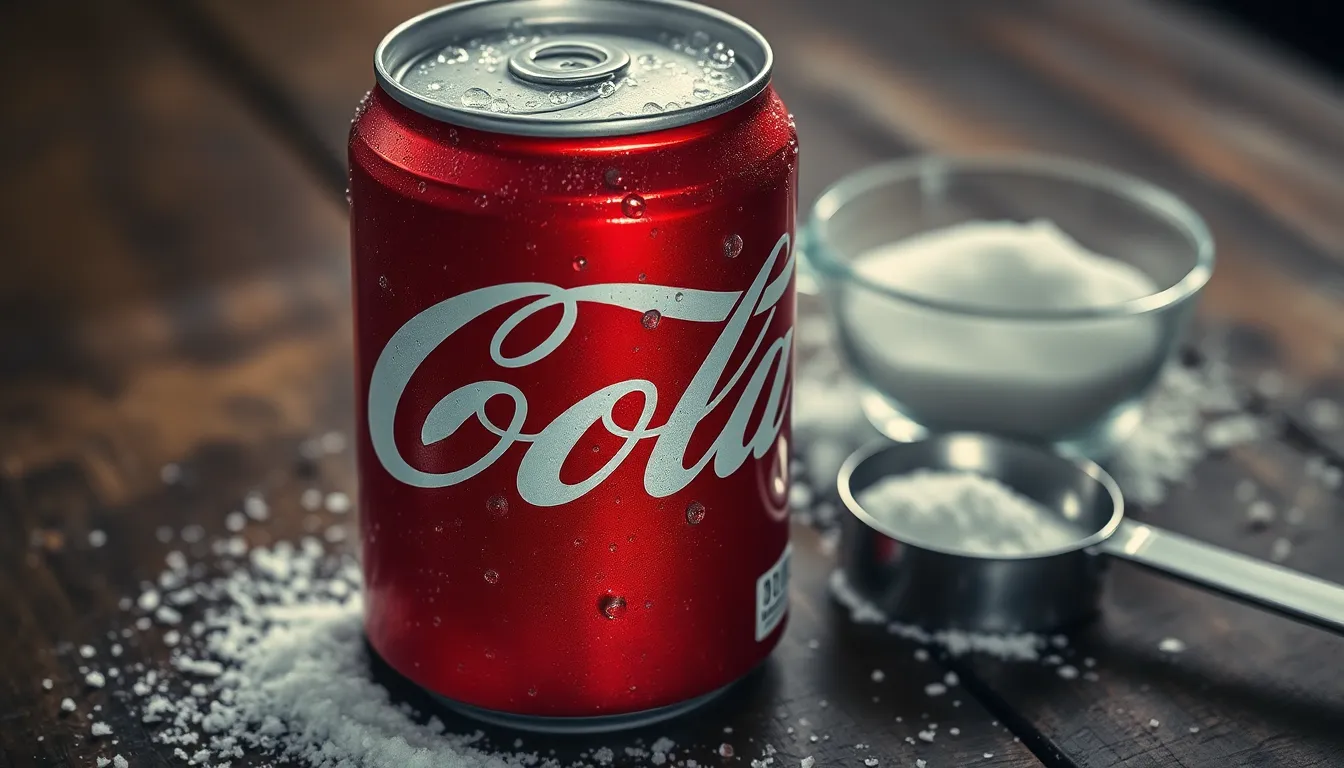

When it comes to quenching thirst, few drinks are as iconic as Coca-Cola. But before you pop that tab, have you ever wondered just how much sugar’s hiding in that fizzy goodness? Spoiler alert: it’s a lot!
Imagine a tiny sugar factory crammed into each can, working overtime to deliver that sweet burst of flavor. With every sip, you might be enjoying a delightful treat, but your body’s probably throwing a mini rave over the sugar overload. In a world where health trends are on the rise, knowing what you’re sipping is more important than ever.
Table of Contents
ToggleOverview of Sugar Content
Coca-Cola contains significant amounts of sugar, making it one of the highest sugary beverages on the market. A standard 12-ounce can contains approximately 39 grams of sugar. This equates to about 9.75 teaspoons of sugar, which exceeds the American Heart Association’s recommended daily limit of 9 teaspoons for men and 6 teaspoons for women.
Consumption of this level of sugar can lead to various health concerns. Sugary drinks contribute to obesity, diabetes, and dental problems. Regular intake of high-sugar beverages like Coca-Cola can result in long-term metabolic issues.
Understanding sugar content is vital. Individuals may not realize how quickly sugar intake accumulates when consuming multiple servings of sugary drinks. Awareness around these amounts helps people make informed choices regarding their dietary habits.
Many people enjoy the sweet flavor of Coca-Cola, but they should consider the implications of that sweetness on their health. It’s essential to balance pleasure with awareness of sugar intake.
Reading labels helps track sugar consumption more effectively. Noticing how easily sugar builds up in popular drinks like Coca-Cola encourages more mindful consumption. As health trends evolve, knowing how much sugar is in everyday beverages shapes better dietary decisions.
Nutritional Facts of Coca-Cola
Coca-Cola’s nutritional profile reveals key components to consider. A standard 12-ounce can not only delivers a significant sugar load but also includes a variety of ingredients.
Ingredients Breakdown
Coca-Cola primarily consists of carbonated water, high fructose corn syrup, caramel color, phosphoric acid, natural flavors, caffeine, and citric acid. High fructose corn syrup serves as the main sweetener, contributing approximately 39 grams of sugar per can. Caramel color provides the signature dark hue of the beverage. Phosphoric acid adds a tangy flavor while caffeine contributes to its stimulating effects. Additionally, natural flavors enhance the overall taste profile, creating a popular choice for many consumers.
Serving Sizes
Coca-Cola’s serving sizes often include a standard 12-ounce can, as well as larger options like 20-ounce bottles or multi-serving packs. A 12-ounce serving contains about 140 calories and 39 grams of sugar. Larger servings can significantly increase sugar consumption, with a 20-ounce bottle containing approximately 65 grams of sugar. Awareness of these serving sizes is essential for managing overall sugar intake. Regularly consuming multiple servings can lead to exceeding the American Heart Association’s recommended sugar limits.
Health Implications of Sugar Intake
Understanding sugar intake impacts health significantly. High sugar consumption, like that from a Coca-Cola, can lead to immediate effects.
Short-Term Effects
Excess sugar intake triggers energy spikes, followed by crashes that create fatigue. These rapid fluctuations can affect mood and concentration levels. Increased thirst often accompanies sugar consumption, leading to potential dehydration. Sugar also stimulates an immediate craving for more sweet foods and beverages. Frequent sugar highs contribute to a cycle of overconsumption in a short period.
Long-Term Effects
Ongoing high sugar intake correlates with obesity development over time. Consistently elevated blood sugar levels can increase the risk of type 2 diabetes significantly. Long-term metabolic issues are another concern, including insulin resistance and fatty liver disease. Tooth decay becomes more prevalent with higher sugar consumption, affecting overall oral health. Chronic sugar consumption can lead to cardiovascular problems down the line, enhancing the risk for heart disease and hypertension.
Comparing Coca-Cola to Other Beverages
Coca-Cola’s sugar content stands out when compared to various beverages.
Alternative Soft Drinks
Many alternative soft drinks contain similar or even higher sugar levels. For instance, a 12-ounce can of Pepsi has around 41 grams of sugar, which is slightly more than Coca-Cola’s 39 grams. Other popular brands, like Dr. Pepper, also pack a substantial sugar punch, with 40 grams in a 12-ounce serving. Energy drinks often exceed these amounts; some contain over 50 grams of sugar in a standard serving. Recognizing these comparisons helps consumers understand their overall sugar consumption.
Sugar-Free Options
Sugar-free beverages present a lower-calorie alternative to sugary drinks. Diet Coke, for example, has zero grams of sugar, making it a popular choice for those seeking to reduce sugar intake. Similarly, other options like LaCroix or sparkling water contain no added sugars, providing refreshing alternatives without the sweetness. Often, these beverages offer flavors without the harm of high sugar content. For health-conscious individuals, these sugar-free choices can align better with dietary goals.
Coca-Cola’s high sugar content serves as a reminder of the hidden calories in popular beverages. With nearly 39 grams of sugar in a standard can it’s essential for consumers to stay informed about their choices. The potential health risks associated with excessive sugar intake cannot be overlooked.
Opting for sugar-free alternatives or moderating consumption can help maintain a balanced diet. By being mindful of sugar levels in drinks like Coca-Cola individuals can take proactive steps towards better health. Ultimately the decision lies in understanding the impact of these sugary beverages on overall well-being.