
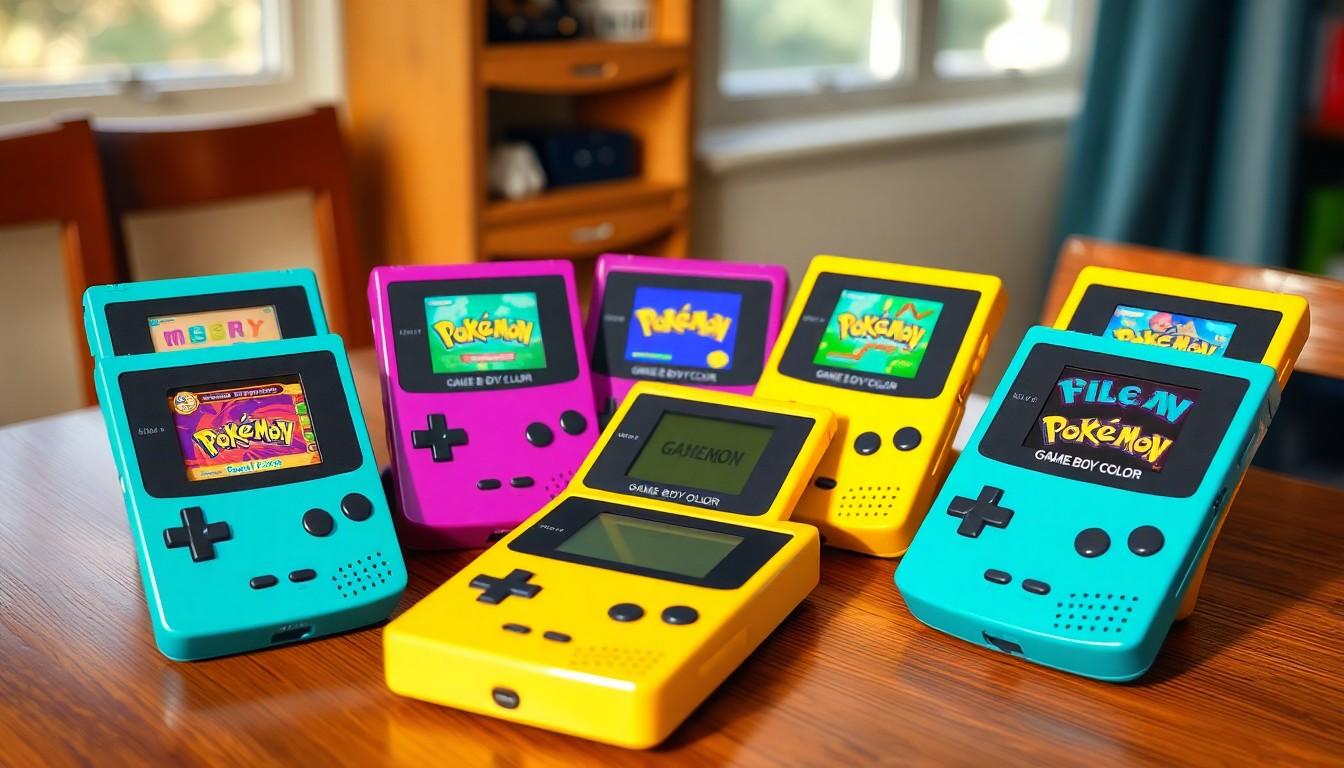

In a world dominated by high-definition graphics and immersive virtual reality, the Game Boy Color still holds a special place in the hearts of gamers everywhere. This little handheld marvel didn’t just redefine portable gaming; it brought a splash of color to pixelated adventures that had players hooked. Who knew that a device the size of a sandwich could pack so much nostalgia and fun?
Overview of Game Boy Colors
Game Boy Color, released in 1998, marked a significant advancement in handheld gaming. It offered a color screen compared to its predecessor, the original Game Boy, which featured only monochrome graphics. The device supported a vast library, showcasing games that utilized its color capabilities, enhancing visual engagement for players.
136 unique colors defined the Game Boy Color palette, allowing developers to create vibrant game worlds. Games like “The Legend of Zelda: Oracle of Seasons” and “Pokémon Gold and Silver” leveraged this color enhancement, providing players with immersive experiences. Players appreciated the improved battery life, offering approximately 10 hours of gameplay with two AA batteries.
The compact design made it portable, allowing gamers to carry it easily. Weighing only 5.5 ounces, it became a travel-friendly option for gaming enthusiasts. Additional features included a link cable for multiplayer gaming, fostering social interactions among users.
Those seeking versatility found the Game Boy Color compatible with original Game Boy games. This backward compatibility ensured a seamless transition for users upgrading from previous models. Collectors also valued the wide array of colors, from the classic transparency to limited edition variants like the Pokémon-themed units.
Game Boy Color remains a symbol of nostalgia, revered for its role in shaping portable gaming culture. Its blend of innovation and simplicity continues to inspire a dedicated fan base, celebrating both its gaming legacy and the memories associated with it.
Design and Aesthetics

The Game Boy Color features a distinctive design that reflects its playful nature and innovative technology.
Color Variants
A wide range of color variants enhances its appeal. Players can choose from standard options like teal, grape, and orange. Limited edition colors, such as the bright yellow Pokémon themed consoles, add excitement for collectors. This diversity attracts enthusiasts seeking unique handhelds. Each color variant resonates with personal preferences, making it a cherished item for many.
Ergonomics and Portability
Lightweight construction promotes easy handling during extended play sessions. The curved edges provide a comfortable grip, which enhances user experience for prolonged use. At approximately 0.8 pounds, it remains portable enough to fit into pockets or bags with ease. Designers prioritized usability, ensuring that buttons remain accessible without strain. Compact size and thoughtful design features contribute to seamless gameplay on the go.
Gameplay Experience
The Game Boy Color offers a distinctive gameplay experience that captivates both new players and nostalgic gamers. Its portability and vibrant graphics have made it a favorite for handheld gaming.
Popular Games for Game Boy Colors
The library of games for Game Boy Color includes iconic titles that defined the platform. “Pokémon Gold and Silver” captivated players with immersive worlds and character development. “The Legend of Zelda: Oracle of Seasons” delivered captivating puzzles and action. Other notable games include “Tetris,” which provided endless levels of challenge, and “Super Mario Deluxe,” offering platforming fun. These titles showcase the versatility and engaging gameplay that define the Game Boy Color experience.
Graphics and Sound Quality
Graphics on the Game Boy Color utilize a palette of 136 colors, enhancing visual appeal significantly compared to its predecessor. Titles feature vibrant landscapes and detailed character animations, creating an engaging aesthetic. Sound quality impresses with chiptune compositions delivering memorable melodies. Each game brings unique audio experiences, from catchy melodies in “Pokémon” to background scores in “The Legend of Zelda.” These elements contribute to an immersive gaming environment that enhances player enjoyment.
Historical Significance
The historical significance of the Game Boy Color lies in its transformative role in portable gaming. This device introduced color to handheld gaming, elevating the player experience.
Impact on Gaming Industry
Game Boy Color’s arrival in 1998 changed the gaming landscape. It represented a shift toward more engaging visual experiences, paving the way for future innovations. Game developers embraced its color capabilities, creating titles like “Pokémon Gold and Silver” that became cultural phenomena. Players experienced a vibrant gaming world that was previously unseen on handheld devices. The success of the Game Boy Color bolstered Nintendo’s dominance in the market and set the standard for future handheld consoles.
Collectibility and Nostalgia
Collectibility and nostalgia are significant aspects of the Game Boy Color’s legacy. Limited edition variants, such as the Pokémon-themed models, attracted collectors and enthusiasts alike. Many gamers cherish the memories associated with their handheld experiences, fueling a vibrant secondary market. Players often seek out unique color schemes like teal and grape to complete their collections. This device evokes fond memories of childhood gaming, creating a lasting emotional connection that continues to resonate in the gaming community.
Comparison with Other Handheld Consoles
The Game Boy Color stands out when compared to its contemporaries in the handheld console market, particularly the original Game Boy and its successors like the Game Boy Advance. Notably, the introduction of color graphics enhanced gameplay significantly, allowing immersive experiences that the grayscale original could not provide.
Sony’s PlayStation Portable (PSP) introduced advanced graphics and multimedia capabilities, but it lacked the nostalgic simplicity and extensive library that defined the Game Boy Color. Players enjoyed timeless classics on the Game Boy Color, while the PSP focused more on sophisticated gaming experiences and internet connectivity.
In contrast to the Nintendo DS, which brought dual screens and touch capabilities, the Game Boy Color offered a more straightforward, user-friendly design. The DS focused on innovation with its touch screen functionality, while the Game Boy Color emphasized portability and ease of use, making it an ideal choice for gamers seeking a classic experience.
Additionally, the Nintendo Switch revolutionized handheld gaming by integrating home console power into a portable unit. Its high-definition graphics and multiplayer options appeal to a wider audience. Yet, the simplicity and charm of the Game Boy Color create a nostalgic allure that continues to captivate dedicated fans.
Sega’s Nomad provided a unique alternative by allowing users to play Sega Genesis titles on the go. Despite its appeal, the Nomad’s bulkiness and limited battery life hindered its portability compared to the Game Boy Color, which weighed just 0.8 pounds with a game library that catered to both casual players and hardcore fans.
Ultimately, rival handheld consoles focus on various features, but the Game Boy Color maintains its significance through its nostalgic essence and engaging games, solidifying its status as a beloved classic in gaming history.
Conclusion
The Game Boy Color stands as a testament to the evolution of handheld gaming. Its vibrant graphics and extensive game library continue to resonate with players old and new. This iconic device not only transformed portable gaming but also created a lasting emotional connection for many.
Collectors and enthusiasts cherish its variety of colors and limited editions, ensuring the Game Boy Color remains a sought-after item. As gaming technology advances, the nostalgic charm of the Game Boy Color endures, reminding everyone of its significant impact on the gaming landscape. Its legacy lives on in the hearts of gamers, making it an irreplaceable part of gaming history.


