
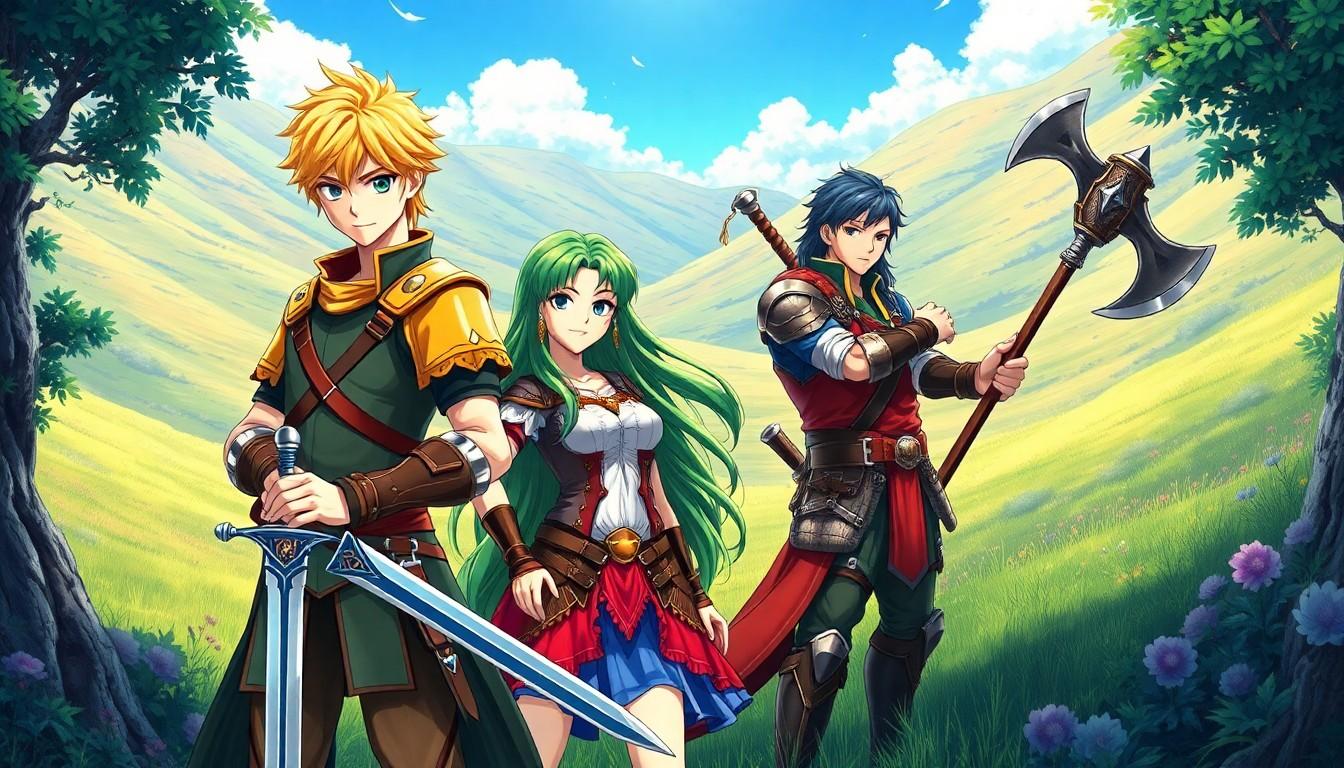

In the world of tactical RPGs, few titles hold a candle to the legendary Fire Emblem series, especially its Game Boy Advance entries. Imagine a game where every decision can lead to glorious victory or crushing defeat, all while your favorite characters are busy trying to not trip over their swords. It’s a delightful blend of strategy, drama, and just the right amount of pixelated romance that keeps players hooked.
Overview of Fire Emblem Game Boy Advance
Fire Emblem for Game Boy Advance represents a pivotal moment for the tactical RPG genre. Featuring titles like Fire Emblem (2003) and Fire Emblem: The Sacred Stones (2004), these games introduced many players to complex strategies and rich storytelling. Character development plays a crucial role, with each unit having unique backgrounds and relationships that influence gameplay.
Players make decisions that directly affect story outcomes, fostering a sense of consequence and engagement. Relationships between characters deepen through in-game interactions, leading to various support conversations. These dialogues often blend humor and charm, enhancing the emotional connections players form with their team.
The gameplay mechanics emphasize strategic deployment on grid-based maps. Battles require players to consider unit placements, terrain advantages, and weapon effectiveness. Encounters can turn daunting, particularly on higher difficulties where permadeath heightens stakes.
Difficulty settings accommodate a range of players, offering experienced gamers a substantial challenge. Newcomers to the genre benefit from intuitive tutorials and user-friendly interfaces, ensuring an accessible entry point.
Visuals on the Game Boy Advance uphold a vibrant, engaging aesthetic. Character sprites and animations contribute to the game’s immersive atmosphere. Critically acclaimed, both titles resonate with fans, leaving a lasting legacy within the franchise.
Overall, Fire Emblem on Game Boy Advance stands as a testament to the depth and engagement possible in tactical RPGs, solidifying its influence on future titles within the genre.
Gameplay Mechanics

Fire Emblem on Game Boy Advance features engaging gameplay mechanics that enhance the tactical RPG experience. Players engage in strategic battles, making decisions that affect both the battlefield and the narrative.
Turn-Based Strategy Fundamentals
Combat relies on turn-based strategies. Each unit takes turns attacking, moving, and utilizing unique abilities. Players position units strategically on grid-based maps, considering terrain effects and enemy placements. Higher difficulty levels emphasize these strategies, as they often introduce permadeath. Losing a character permanently alters gameplay, raising the stakes. Turn order can also shift based on unit speed stats, adding another layer for players to navigate.
Character Classes and Progression
Character classes play a vital role, offering distinct abilities and growth paths. Each class boasts unique strengths and weaknesses, influencing overall team composition. Units gain experience points through battles, enabling class promotions that enhance their skills. Specialized roles, such as mages or archers, add diversity to strategies. Characters develop through support conversations, which not only deepen relationships but also bolster combat effectiveness. This progression system keeps gameplay fresh as players explore different character combinations and tactical approaches.
Story and Characters
Fire Emblem for Game Boy Advance captivates players with its rich storytelling and memorable characters. The game’s narratives draw players into a world filled with conflict, alliances, and personal growth.
Main Plot Synopsis
Fire Emblem (2003) follows the tale of Eliwood, Lyn, and Hector, who unite against the forces of the dragon-man King, Nergal. Throughout their journey, they confront political intrigue and family legacies. The quest centers on preventing Nergal from obtaining the Dragonstones that could unleash destruction. Players engage in pivotal battles and form alliances with various characters, impacting the story’s outcome. The narrative unfolds through character interactions, allowing players to experience personal stakes alongside grand-scale conflicts.
Key Characters and Their Development
Eliwood, the protagonist, showcases growth from a noble son to a determined leader. His journey allows him to confront his own fears and responsibilities. Lyn stands out as a fierce swordswoman, evolving from a determined warrior to a compassionate leader, connecting deeply with allies. Hector, known for his brawn, provides a counterbalance with his strategic insights, demonstrating that strength must coexist with wit. Each character’s relationships deepen through support conversations, promoting player engagement and emotional investment. This character-driven approach enhances the overall narrative experience, creating memorable bonds in an intricate world of war.
Graphics and Sound Design
Fire Emblem on Game Boy Advance showcases unique graphics and sound design that enhance the gaming experience. The visual elements and audio work together, creating an immersive atmosphere.
Visual Style and Animation
Character designs display vibrant colors and detailed sprites. Environments include diverse landscapes, such as lush forests and barren deserts, contributing to the overall aesthetic. Animations during combat are particularly fluid, showcasing each character’s unique skills. Attack sequences feature distinct visual effects that add excitement and intensity to battles. This attention to detail in animation engages players while allowing them to appreciate each character’s individuality.
Music and Sound Effects
Music resonates with emotional depth throughout the game. The score adapts to various scenarios, enhancing moments of tension and triumph. Sound effects accompany actions, providing auditory feedback for successful hits and special abilities. Each character has a unique voice or sound cue, reinforcing their personality. Together, the music and sound effects create a dynamic auditory experience, drawing players deeper into the story and enhancing engagement with the gameplay.
Reception and Impact
Fire Emblem for Game Boy Advance garnered positive feedback, earning recognition for its innovative gameplay and storytelling. Reviewers often praised its character development and immersive narratives.
Critical Acclaim and Reviews
Scores from gaming publications reflect high praise for both Fire Emblem (2003) and Fire Emblem: The Sacred Stones (2004). Metacritic lists the original title with a score of 89 and the sequel at 85, highlighting the tactical depth and engaging storylines. Critics lauded the mechanics, particularly the turn-based strategies that challenge players. Significant mention was given to the support conversations, which enrich relationships among characters. Enthusiasts applauded the game for its ability to blend strategic combat with intricate storytelling, establishing a strong foothold within the tactical RPG genre.
Legacy in the Fire Emblem Series
The impact of these Game Boy Advance titles continues to resonate in subsequent Fire Emblem releases. They established foundational elements, such as character development and intricate plotlines, that persist in modern installments. Fire Emblem (2003) served as a springboard for future narratives, emphasizing emotional stakes and player choices. Techniques introduced in these titles influence gameplay mechanics, creating a blend of strategy and story that fans expect today. Characters like Eliwood and Lyn remain iconic, setting a standard for personality depth and growth within the franchise.
Conclusion
The Fire Emblem series on Game Boy Advance remains a cornerstone of tactical RPGs. Its blend of strategic gameplay and rich storytelling captivates players even today. Character development and meaningful choices create an immersive experience that resonates deeply. The vibrant graphics and engaging sound design enhance the overall atmosphere, drawing players into its intricate world.
With titles like Fire Emblem and Fire Emblem: The Sacred Stones, the series set a high standard for character depth and narrative complexity. The enduring legacy of these games continues to influence modern installments, ensuring that the spirit of Fire Emblem lives on. For fans of tactical RPGs, these Game Boy Advance titles are essential experiences that showcase the genre’s potential for emotional engagement and strategic depth.


