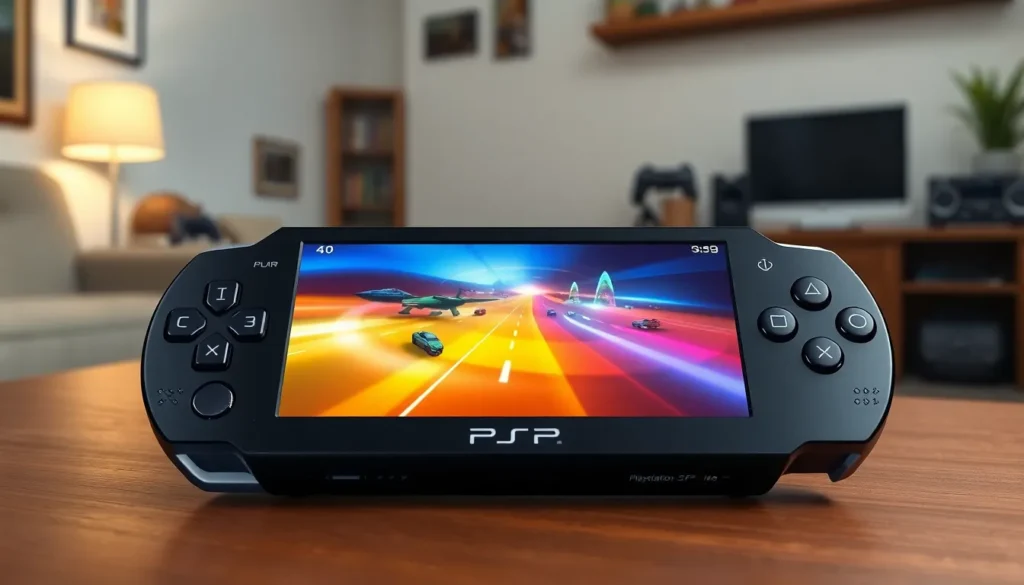

In a world where gaming often means being glued to a couch, the PlayStation Portable (PSP) flipped the script. Launched in the mid-2000s, this sleek handheld console promised to deliver console-quality gaming on the go. Imagine slaying dragons during your morning commute or racing through city streets while waiting for your coffee. It was a game-changer—literally.
The commercials that accompanied the PSP’s rise were nothing short of iconic. They showcased not just the device but a lifestyle of freedom and adventure. With catchy taglines and eye-catching visuals, these ads made gamers everywhere feel like they could conquer not just their games, but the world. So, let’s dive into the world of PSP commercials and explore how they turned a simple gaming device into a cultural phenomenon that still sparks nostalgia today.
Overview of the Playstation Portable Commercial
The PlayStation Portable commercial played a crucial role in the device’s marketing strategy. Released in 2004, this campaign showcased the handheld console’s gaming potential through dynamic visuals and engaging narratives. Each advertisement spotlighted various gaming genres, appealing to diverse audience segments. Through scenes of adventure, action, and exploration, the commercials illustrated the console’s portability and versatility.
The production quality stood out, featuring high-definition graphics that captivated viewers. It included celebrity appearances and vibrant settings that enhanced the gaming experience’s allure. Commercials highlighted key features like online connectivity and multimedia capabilities, making the PSP feel like an all-in-one entertainment device.
Advertisements emphasized the freedom of gaming anywhere, allowing users to immerse themselves in their favorite titles outside traditional home environments. This messaging connected with a younger demographic, who sought gaming experiences that fit their active lifestyles.
Promotional efforts also encompassed strategic placements across television, online platforms, and gaming events. Each channel reached potential customers effectively, ensuring the PSP brand stayed top-of-mind during launch. The overall campaign successfully communicated a lifestyle associated with the PlayStation Portable, transforming it from a mere gadget into a cultural phenomenon.
Numerous commercials became iconic, blending gameplay footage with compelling storytelling. They cemented the PSP’s legacy by tapping into themes of adventure and empowerment. As a result, these ads didn’t just sell a product but inspired a generation of gamers.
Key Features Highlighted in the Commercial

The commercials for the PlayStation Portable prominently showcased its standout features. Captivating visuals and efficient performance captured the attention of potential gamers.
Graphics and Performance
Visual fidelity played a significant role in the PSP’s appeal. The device delivered console-quality graphics that amazed users. Engaging worlds and intricate details defined gaming experiences on the go. Fast loading times ensured an uninterrupted gameplay experience. Framerates remained consistently smooth, enhancing the overall enjoyment. These elements contributed to making the PSP a leader in portable gaming technology.
User Experience
User-friendly design made the PSP accessible to a wide range of players. An intuitive interface facilitated easy navigation between games and multimedia options. Comfortably designed controls ensured prolonged gaming sessions remained enjoyable. Features like Wi-Fi support allowed seamless online connectivity, enabling multiplayer experiences. Integration of audio and video playback transformed the console into an entertainment hub. These enhancements led to a more immersive gaming environment and elevated user satisfaction.
Target Audience and Market Impact
The PlayStation Portable (PSP) targeted a diverse audience, with a particular focus on younger gamers aged 18 to 34. This demographic sought convenient gaming experiences without sacrificing quality. Advertisements emphasized portability, catering to individuals who wanted gaming on the go.
Market impact resonated strongly throughout the handheld gaming landscape. Each commercial reinforced the notion of gaming freedom, appealing to lifestyles characterized by flexibility and adventure. The PSP’s messaging aligned perfectly with the desires of tech-savvy consumers who valued innovative features.
Engagement strategies played a significant role in the PSP’s success. Strategic placements across popular television channels, social media, and gaming conventions kept the device top of mind. Market research indicated a strong need for entertainment that complemented busy schedules.
Effective storytelling created emotional connections with potential buyers. Through visuals that showcased gameplay alongside relatable situations, commercials struck a chord with audiences. High production values lent credibility, attracting interest beyond just core gamers.
Longevity in brand recognition resulted from this concentrated advertising effort. The combination of appealing narratives and showcasing of standout features secured the PSP’s status as more than just a gaming device. It became a cultural icon that shaped perceptions of portable gaming in a rapidly evolving market.
Ultimately, the commercials transformed the PSP from a simple product into a lifestyle choice. Capturing the essence of gaming freedom, they connected with consumers who desired immersive, high-quality entertainment wherever they went. These impactful advertisements contributed significantly to the PSP’s legacy and influence in the handheld gaming industry.
Comparisons with Competitors
The landscape of handheld gaming during the PSP’s era included strong rivals that shaped player preferences.
Nintendo DS
Nintendo DS emerged as a direct competitor, boasting dual screens and unique touch functionality. Introduced in 2004, this device targeted a broad audience with its emphasis on creativity and casual gaming. Innovative games like Brain Age and Nintendogs attracted non-traditional gamers. The advertising strategy highlighted family-oriented gameplay, positioning the DS as a versatile option for all ages. In contrast, PSP emphasized graphics and multimedia features, appealing to hardcore gamers. While both consoles garnered significant attention, their marketing approaches exemplified different gaming philosophies.
Other Handheld Consoles
In addition to the DS, other handheld consoles like the Game Boy Advance and Xperia Play also competed in this market. Game Boy Advance delivered classic gaming experiences, primarily appealing to nostalgia-driven players. Television and print ads, featuring beloved franchises, maintained its visibility. Meanwhile, Xperia Play aimed to merge smartphone capabilities with gaming. This approach attracted tech enthusiasts seeking versatility. Each console demonstrated distinct marketing angles yet underscored an evolving gaming landscape where the PSP solidified its impact through innovative commercial strategies.
Cultural Significance of the Playstation Portable Commercial
The PlayStation Portable commercials played a pivotal role in shaping gaming culture in the mid-2000s. Undeniably, these advertisements projected a lifestyle that appealed to a young, dynamic demographic. Each commercial conveyed messages of freedom and adventure, making portable gaming an exciting possibility. Bold visuals captured attention, while engaging storylines communicated the PSP’s unique capabilities.
Gameplay footage intertwined with relatable scenarios created emotional connections with viewers. Target audiences, mainly gamers aged 18 to 34, found the advertisements resonant with their lifestyles. Strategic ad placements across various media ensured maximum reach, solidifying the brand’s image in the competitive market. Campaigns highlighted the console’s all-in-one entertainment value, which included gaming, multimedia, and internet connectivity.
Notably, the commercials consistently showcased high-quality graphics and performance benchmarks. Enhanced functionalities attracted gamers seeking functionality without compromising on quality. The user-friendly design complemented the overall appeal, making the device accessible to a broad player base. Features like Wi-Fi support enabled multiplayer experiences, further enhancing the PSP’s perceived value.
Innovation in marketing strategies differentiated the PSP from competitors like the Nintendo DS. While the DS attracted families with creativity-focused gameplay, the PSP appealed to more hardcore gamers through impressive graphics. Each commercial’s visual and narrative elements helped solidify the PSP’s legacy, emphasizing its influence on portable gaming culture.
Lastly, standout campaigns remain memorable for their creativity and effectiveness. Many of the commercials became iconic, ensuring the PSP’s status as a cultural touchstone in the gaming industry. The blend of storytelling with gameplay allowed fans to visualize the PSP as more than just a gaming device; instead, it became an essential lifestyle accessory for a new generation of gamers.
Conclusion
The PlayStation Portable’s commercial campaign played a pivotal role in shaping its legacy and cultural significance. By effectively blending high-quality visuals with compelling narratives, these advertisements captured the essence of portable gaming and resonated deeply with a younger audience. They transformed the PSP from a simple device into a lifestyle choice that emphasized freedom and adventure.
These iconic commercials not only showcased the console’s impressive features but also created emotional connections with viewers. The PSP’s ability to deliver console-quality experiences on the go set it apart from competitors, solidifying its place in the gaming industry. As a result, the PSP remains a nostalgic symbol of innovation and creativity in handheld gaming.